When comparing casino lucky hills with other gambling platforms, account security deserves attention before games or promotions. A secure account depends on accurate registration details, reliable identity checks, careful payment ownership and sensible recovery practices. The available information describes an offshore service aimed at the Canadian market, with verification tools, support channels and account controls. Those details do not remove the need for personal caution. Instead, they provide a practical checklist for deciding whether the operator’s procedures match your expectations and whether you can maintain control of your account.

Which details should match from the beginning?
Registration information should be accurate, current and capable of being verified. The stated requirements include acting on your own behalf, being at least 18 and supplying truthful personal details. This matters because an account is not merely a username and password: the operator may later compare your profile with identity and address documents, payment records or other security information.
Use an email address that you control and check regularly. The account activation process relies on an email confirmation link, while password recovery also sends a reset link to the registered address. If a message is missing, checking the spam folder is sensible, but repeated delivery problems should be raised with support rather than solved by opening another account.
Duplicate registration creates a specific security risk. The published conditions prohibit additional accounts connected with the same household or IP address. A second profile can therefore create access, verification or withdrawal complications even if it was opened for an innocent reason. If your circumstances have changed, ask support about the approved procedure instead of trying to work around account controls.
How does the verification process work?

Verification is accessed through the profile area, where the account’s verification status and accepted document requirements are displayed. Identity evidence may be requested, and proof of address can also be required. The exact documents and formats should be read from the account’s own instructions, since requirements can vary according to the review and the payment method involved.
The available information gives a normal verification window of approximately two to 24 hours, while also warning that additional reviews may take longer. Treat that timeframe as an indication rather than a guarantee. Blurred images, mismatched details, expired documents or incomplete submissions can lead to follow-up questions and delay the review.
A newly added withdrawal card or payment instrument may need separate verification. This is an important distinction: passing an identity check does not necessarily prove ownership of every funding method. Submit only documents requested through the account’s recognised verification route, keep copies securely, and avoid sending sensitive material through unofficial messages or unfamiliar addresses.
Where can security fail during login and recovery?
Password protection begins with keeping login details private and using a unique password that is not shared with email, banking or social-media accounts. Avoid saving credentials on public devices, and log out after using a shared computer. A browser-based service can be convenient on a phone or tablet, but convenience should not replace screen locking and device updates.
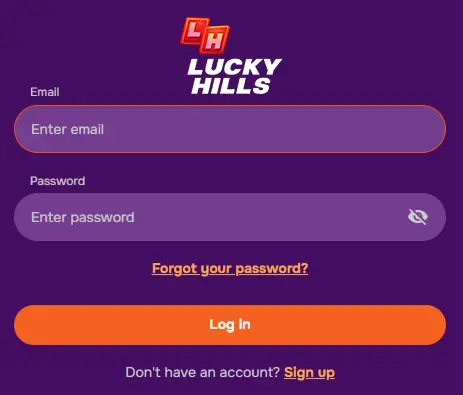
If you forget the password, use the password-reset function on the login screen and wait for the message to arrive at the registered email address. Do not create a replacement account while waiting. If the reset email does not arrive after checking spam, contact the listed support channel and explain the access problem without disclosing your password or one-time recovery information.
Changing the registered email address requires support assistance, according to the available account information. That extra step may feel inconvenient, but it helps prevent an unauthorised person from quietly replacing the recovery address. For broader guidance on protecting online accounts, the Canadian government’s online security guidance offers general practices that apply beyond gambling services.
What should you check before using a payment method?
Payment ownership is part of account security. The stated conditions require users to make payments through accounts or cards they own. Before funding an account, confirm that the name and details are correct and that the selected method belongs to you. A transaction can be technically successful while still creating a later ownership question during withdrawal.
Withdrawal methods generally need to correspond with the method used to fund the account. A different card or payment account may require prior verification, and not every listed deposit channel will necessarily be available for withdrawals. Keep confirmation messages and transaction records so you can explain the source and destination of funds if support requests clarification.
Review the Cashbox and operations history regularly for unfamiliar activity, incomplete requests or unexpected changes. If something looks wrong, stop further transactions and contact support through the platform’s recognised live chat or email route. Do not provide remote access to your device, and be cautious of anyone claiming to be support while asking for a password, payment PIN or security code.
Which account controls deserve regular attention?
Security is easier to maintain when account controls are reviewed before a problem occurs. Check your email confirmation status, verification position, profile details and transaction history. Logging out after each session is particularly useful on shared devices. If you stop using the account, consider the available closure or self-exclusion controls rather than leaving credentials active indefinitely.
The platform describes support for activation issues, password problems, email changes, verification questions, unsuccessful deposits, withdrawals and account updates. Prepare a concise explanation and relevant transaction reference when contacting support. Never send more personal information than the requested procedure requires, and verify that you are using the official support route displayed within the service.
Account security also includes financial boundaries. The available controls include daily, weekly and monthly deposit and loss limits, along with self-exclusion and closure options. These are not substitutes for identity protection, but they can reduce the consequences of a compromised or impulsive account. Review the applicable terms before changing a limit, closing an account or requesting reactivation.
Account security questions Canadians often ask
Does completing identity verification guarantee every withdrawal will be approved?
No. Identity verification confirms information requested for the account, but a withdrawal can still involve payment-method ownership checks, bonus conditions, duplicate-account concerns or additional security review. Read the current account instructions and resolve any outstanding requirement before assuming that a completed identity check settles every possible payment question.
Can I open another account if I lose access to my email?
Opening another account is not a safe workaround because duplicate accounts are prohibited under the stated conditions. Use the password-recovery process if possible, then contact support about the unavailable email address. Support may request information to confirm ownership and explain the approved way to update recovery details.
What is the safest way to handle a suspicious account message?
Do not reply with passwords, verification codes, card numbers or copies of documents. Open the service independently rather than following an unexpected message link, review recent activity and contact recognised support. If your email or device may also be compromised, secure those accounts first using trusted recovery tools.